


The Art and Science of Investing in Farmland
This short piece provides context for investors who are considering an allocation to agricultural investments. It highlights factors that can affect rural land values and the returns derived from growing food and fiber products on rural acres. It also discusses important criteria to consider when selecting an investment manager for land based assets.
500 years ago, an acre in Midtown Manhattan was an agricultural acre, a lousy one. Thin, acidic soils with bedrock near the surface, made it unproductive. Glaciation, 10,000 years prior, had scoured Manhattan Island removing most of the topsoil required to support vibrant plant growth. But over time, the rivers and deep water harbours made Manhattan Island a rapidly populating location. Our lousy agricultural acre became a heavily trafficked location, and in time, the shallow depth to bedrock under Manhattan became an asset instead of a liability, providing a solid foundation under taller and taller buildings.
Related Insights
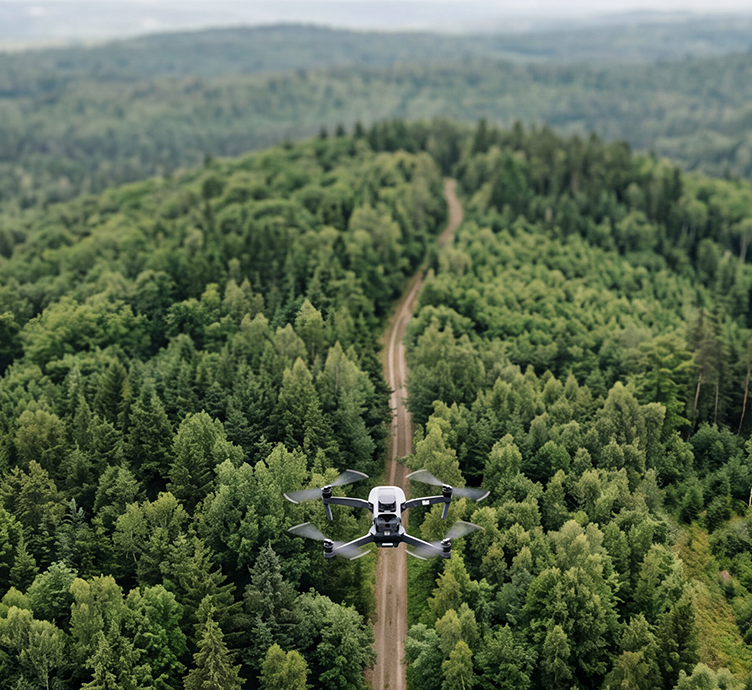
Forestry Gears Up for a Technology Revolution


Global Asset Allocation Team Market Update – August 2026

